


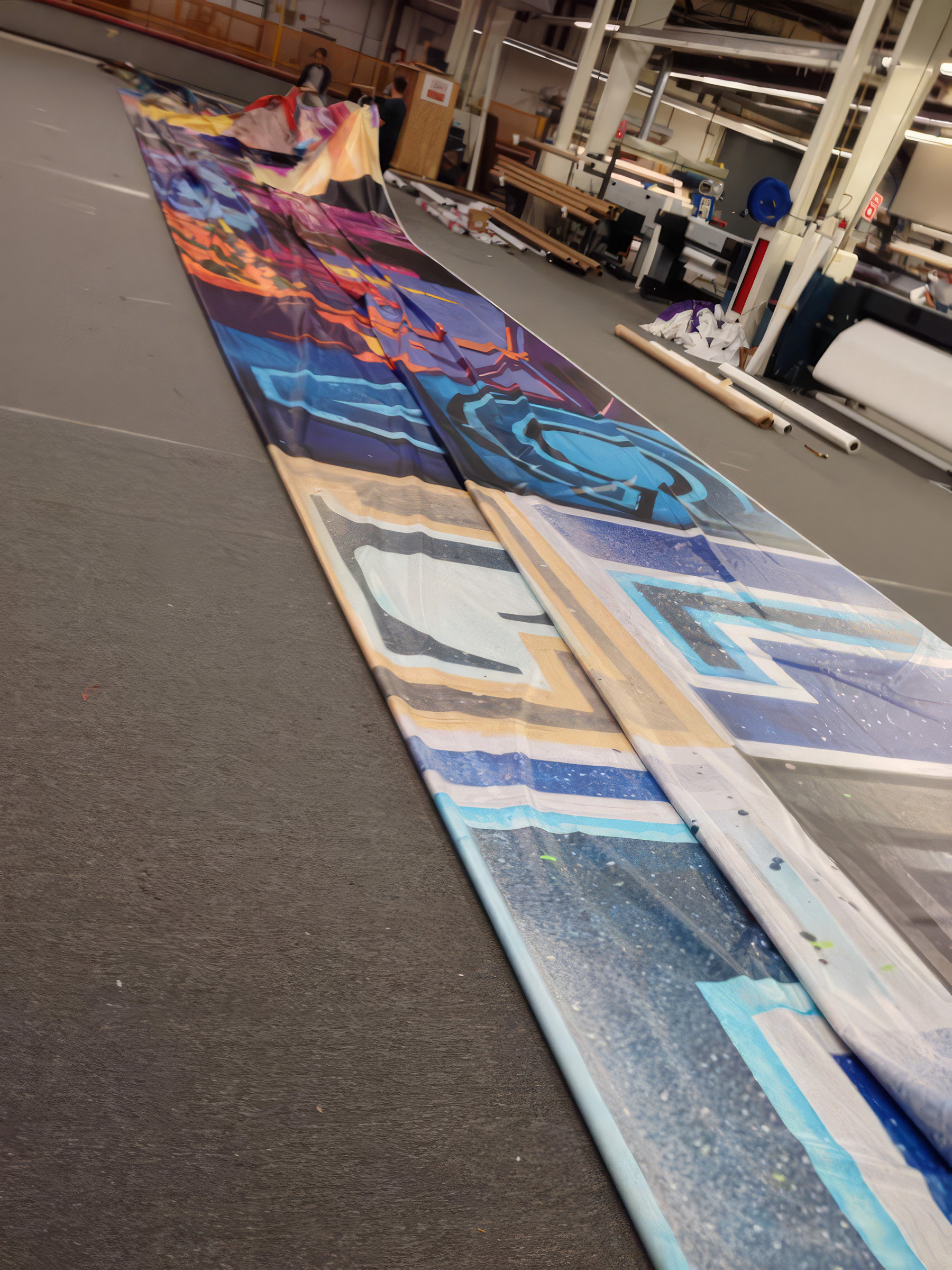
Fusion Imaging is a large-format graphics company producing high-risk, custom work including billboards, trade show environments, double-sided banners, vehicle wraps, and architectural graphics. In this environment, accuracy, consistency, and clear handoffs between departments are critical—small errors often surface late and carry significant cost.
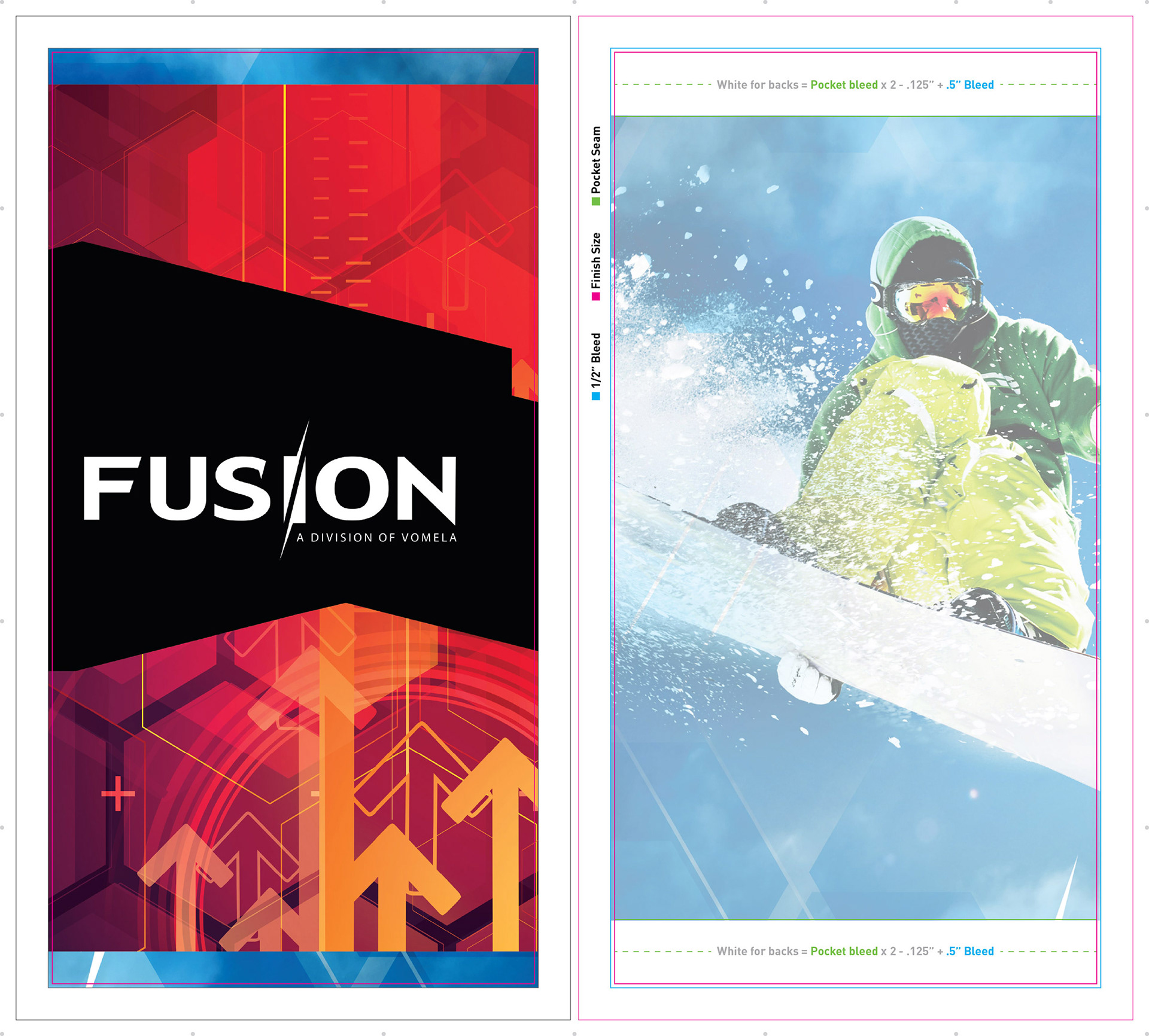
When I stepped into the Prepress Lead role, file preparation across the department was inconsistent and heavily reliant on informal, word-of-mouth knowledge. Complex products—particularly items like double-sided banners with pockets or non-uniform bleed requirements—were often set up differently depending on who handled the job. This led to frequent reprints, production delays, and growing tension between prepress, production, and project management.
Intervention & Leadership
Rather than treating errors as isolated issues, I focused on understanding the full production process from end to end. I worked directly with production teams on the floor to learn what they needed from prepress files to manufacture work accurately and efficiently. Those conversations informed the development of standardized file structures, templates, and test files that could be validated through real production runs.
Once those solutions were proven, I led training within the prepress department—building shared reference files, documenting common problem scenarios, and creating a progressive onboarding approach for new hires. Job assignment was intentionally staged, allowing less experienced team members to build confidence on simpler work before moving into more complex production.
Beyond process, I acted as a point of connection between departments—meeting informally with production, sales, and account teams to clarify expectations, identify potential production issues early, and rebuild trust in prepress as a reliable partner rather than a bottleneck.
Outcomes & Impact
These changes led to a measurable reduction in errors—cutting rework by approximately 30–40%—while improving turnaround times and internal confidence in the files moving into production. Production teams reported fewer downstream issues, account managers began proactively involving prepress earlier on complex projects, and the department’s reputation shifted from reactive to dependable.
The work also resulted in broader recognition. I was asked to support high-priority and fast-turn projects outside normal hours and was awarded the company’s first-ever Quality Employee of the Month for contributions to accuracy, collaboration, and operational improvement.



This experience reinforced the importance of leadership rooted in understanding—not just managing output, but translating requirements across teams and building systems that allow people to do their best work consistently. The lessons from this role continue to shape how I approach creative leadership, particularly in environments where quality, trust, and coordination matter as much as the work itself.